

Grooming your cat, regardless of its coat length, is crucial for its health and happiness. Discover the essential cat grooming tips for short and long hair to ensure your feline always looks their best. From understanding different coat types to choosing the right tools, this guide covers everything you need to know. Let’s dive in and explore these invaluable grooming tips to make your cat shine.
Understanding Your Cat’s Coat Type
Cats come with a diverse range of coat types, which, in turn, require specific grooming practices. Whether your feline friend has short, long, or thick hair, understanding their coat type is essential for keeping them healthy and happy. Different coat types not only vary in length but also in texture and density, and these factors can influence grooming requirements. Identifying your cat’s coat characteristics will help you tailor grooming routines to their specific needs.
Short-Haired Cats:
Short-haired cats have coats that lie close to their body, and though they may not shed as much as long-haired breeds, regular grooming is still necessary. Their short fur requires less effort, but consistent care will help in removing loose hairs and distributing natural oils, keeping the coat shiny and healthy.
Long-Haired Breeds:
Long-haired cats have luxurious coats that need more frequent attention. Their long fur is prone to tangling and matting, particularly in areas like the armpits, belly, and behind the ears. Acknowledging the intricacies of their coat type will guide you to employ more detailed grooming techniques, as these cats benefit from daily brushing to prevent knots from forming, reduce shedding, and minimize hairballs.
Double-Coated Cats:
Some cats have a double coat, consisting of a dense undercoat beneath a layer of longer guard hairs. This type of coat usually requires regular grooming to manage shedding and prevent matting, especially during seasonal changes when shedding intensifies. Understanding the layered structure of double-coated cats helps in applying grooming tools effectively, ensuring thorough removal of loose fur and promoting a healthy coat.
By understanding your cat’s specific coat type, you can supply them with optimal grooming practices that enhance their overall coat health and prevent common grooming issues. This insight helps in choosing the right grooming tools and methods catered to your cat’s unique needs, making the grooming process a positive experience for both you and your feline companion.
Best Grooming Tools for Cats
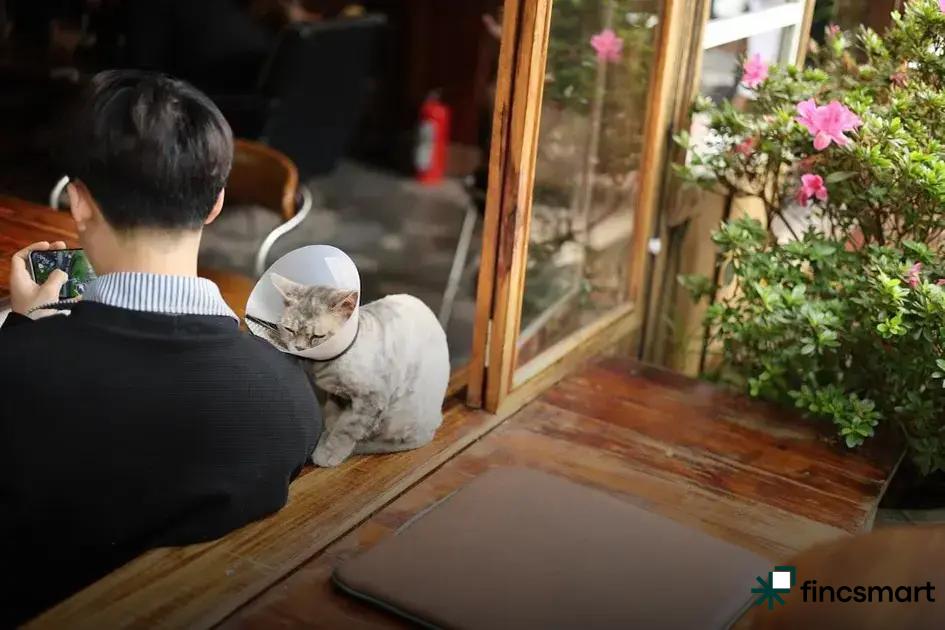
Caring for Your Cat’s Coat with the Right Tools
For a cat’s grooming, having the right tools is crucial. Choosing the best grooming tools depends on your cat’s coat type. Here’s a guide on essential grooming tools to keep your feline fashionable:
- Bristle Brushes: Ideal for short-haired varieties, these brushes remove loose hair and add shine. Their soft bristles are perfect for a gentle massage.
- Slicker Brushes: Suitable for both short and long-haired cats, slicker brushes help remove tangles and matted fur. They have fine, short wires close together, making them effective for detangling without causing discomfort.
- Deshedding Tools: For cats prone to shedding, especially during seasonal changes, these tools reduce hair loss and minimize hairballs.
- Comb with Rotating Teeth: Especially useful for long-haired breeds, these combs prevent pulling and reduce discomfort while detangling.
- Grooming Gloves: An excellent tool for cats that are wary of traditional brushes. Gloves fit on your hand, allowing you to pet and groom simultaneously.
Using these tools regularly will not only keep your cat’s coat healthy but also provide an opportunity to check for any skin issues or parasites. Adjust your tools to match your cat’s preferences and comfort level to create a pleasant grooming experience.
Brushing Techniques for Short-Haired Cats
Brushing short-haired cats requires specific techniques to ensure their coat remains healthy and shiny. While these cats might not have the same grooming demands as their long-haired counterparts, regular brushing offers numerous benefits. It not only helps remove loose hairs and reduce shedding, but also stimulates the cat’s skin and distributes natural oils along the coat.
Choose the Right Brush: For short-haired cats, a rubber brush or a bristle brush is ideal. These brushes effectively pick up loose hairs and give your cat a comfortable grooming experience. Avoid using metal combs, as they can irritate the skin.
Gentle and Regular Brushing: Brushing should be a regular part of your cat’s grooming routine. Aim for at least once a week. Begin at the head and move towards the tail, making sure to cover all areas. Be gentle to avoid causing discomfort, especially around sensitive areas like the belly and legs.
Pay Attention to Sensitive Areas: Cats may be ticklish or sensitive in certain spots. Approach these areas gently and be watchful for any signs of discomfort. If your cat resists, try to make the experience more positive with treats or gentle strokes.
By using these techniques, you can ensure your short-haired cat’s coat remains in tip-top shape while creating a bonding experience for both you and your feline friend.
Special Care for Long-Haired Breeds

Long-haired cat breeds like Persians and Maine Coons require particular attention to maintain their luxurious coats. Regular brushing is essential to prevent tangles and matting. Aim to brush these cats daily using a wide-toothed comb to gently remove knots. For stubborn mats, you might need a de-matting tool.
Beyond just brushing, frequent combing helps distribute natural oils throughout the fur, adding shine and reducing the potential for hairballs. Bathing long-haired cats can also be beneficial, but it is important to use a gentle cat shampoo and ensure thorough drying to avoid any skin issues.
Pay special attention to the underbelly and behind the ears, as these areas can easily develop mats if neglected. Regular grooming sessions also provide the opportunity to check for any irregularities in your cat’s skin or coat. By establishing a consistent grooming routine, you can ensure your long-haired feline remains healthy and happy.
Addressing Common Grooming Challenges
Cats often present various grooming challenges that can be effectively managed with the right techniques and understanding. It’s essential to be patient and observe your cat’s behavior during the grooming process. Some cats might resist grooming, and here are some strategies to address these challenges. Desensitization is crucial—gradually introduce grooming tools to your cat, allowing them to sniff and become familiar with these objects. Reward calm behavior with treats to create positive associations. Cats with both short and long hair may have sensitive areas, such as the belly or paws. Approach these spots gently and watch for any signs of discomfort.
Regular grooming not only keeps your cat looking neat but also helps in detecting any unusual changes like lumps or skin issues early. If your cat has developed matting or tangles, addressing these immediately prevents discomfort and potential health issues. For stubborn mats, using a specific detangling spray or seeking professional grooming help might be necessary. Be mindful of the frequency of baths; too frequent washing can strip your cat’s coat of natural oils. Understand when professional help is needed. If your cat becomes excessively aggressive or scared, consider seeking the advice of a vet or professional groomer. They can offer specialized care or identify any underlying issues contributing to your cat’s reluctance to grooming.

 Future Trends in the Pet Industry: What’s on the Horizon?
  Luxury Pet Products: Are They Really Worth the Price?
  Pet Subscription Boxes Explained: Discover the Best Deals