
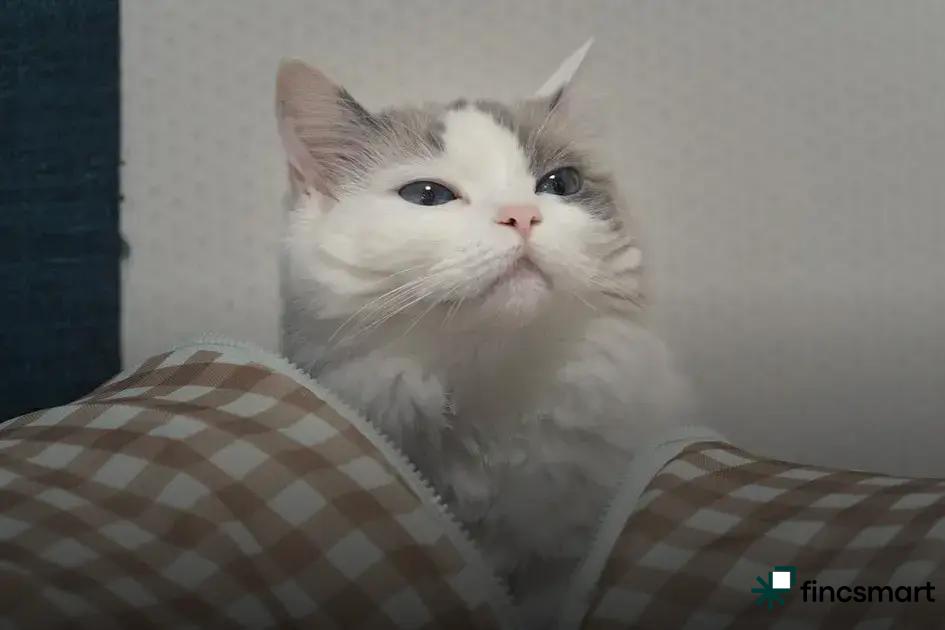
Understanding cat behavior and body language is crucial for cat owners who wish to build a harmonious relationship with their feline friends. Cats communicate in subtle ways, using a mix of body language, vocalizations, and behavior patterns. By learning to interpret these signals, owners can respond appropriately and improve their bond with their pets.
The Basics of Feline Communication
Cats rely heavily on their body language and vocalizations to communicate with humans and other animals. Understanding the basic components of feline communication is essential for developing a strong bond with your pet. Cats use a combination of body, face, tail, and vocal signals to express themselves.
When it comes to body language, posture is critical. A relaxed cat often sprawls out, with paws tucked under or stretched out. Conversely, a cat that feels threatened or scared might arch its back, fluff its fur, and flatten its ears. Observing these cues can tell you a lot about how a cat is feeling in a particular situation.
The tail is another significant indicator of a cat’s mood. A tail held high usually signals confidence and contentment, while a swishing tail can indicate excitement or agitation. A puffed-up tail is a classic sign of a frightened cat trying to appear larger to threats.
Facial expressions are subtle but very telling. Pay attention to your cat’s ears, eyes, and whiskers. Forward-facing ears and relaxed whiskers signal a calm cat, whereas sideways, flat ears and backward whiskers can indicate anxiety or anger.
Vocalizations like meows, purrs, and hisses are also part of the communicative repertoire. Meowing is generally directed at humans, each sound having its nuances, from greetings to requests. Purring typically signifies contentment, though it can sometimes indicate discomfort or pain. Hissing is unmistakably a warning to stay away.
Fostering a positive relationship with your cat requires attention to these signals. By observing and responding appropriately to a cat’s communication efforts, you can better attend to their needs and create a harmonious home environment.
Decoding Cat Body Language

Cats utilize a rich array of body movements and postures to communicate with humans and other animals. Observing your cat’s body language can provide valuable insight into their emotional state and intentions. Start by examining the position of their ears. Ears that are pointed forward generally indicate curiosity or interest, whereas flattened ears can signify fear or aggression.
The eyes are also essential indicators. A slow blink from your cat is like getting a kiss — it shows trust and comfort. On the other hand, staring can be a sign of dominance or challenge. Notice the size of your cat’s pupils: wider pupils may indicate excitement or fear, while constricted pupils are usually a sign of tension or aggression.
Whiskers provide clues too. When a cat’s whiskers fan out sideways, it’s typically at ease; whiskers pulled back suggest that your cat may be nervous or preparing to flee. The tail is another expressive feature. A tail held high suggests confidence and happiness, whereas a low tail might mean your cat is feeling anxious.
A swishing tail might indicate irritation, while a puffed up tail shows surprise or fear. If your cat is rubbing against your legs, it’s marking you with pheromones, essentially claiming you as part of its group. Cats may also communicate using their paws. Kneading is a sign of contentment, while scratching can signal territorial marking.
Being aware of these subtle signals can help you foster a deeper bond with your feline friend and understand their needs and moods more effectively. Each cat is unique, and spending time observing your pet’s specific behaviors can enhance your relationship.
Understanding Vocalizations in Cats
Cats use various vocalizations to convey their feelings and needs. Understanding these vocalizations can enhance the bond between you and your feline friend. Meowing is primarily a way for cats to communicate with humans, and the meaning can vary based on tone and frequency. A short, succinct meow might indicate a greeting or request, whereas a prolonged meow could express demand or complaint.
Purring, often associated with contentment, can also occur when cats are anxious or unwell, serving as a self-soothing mechanism. Listening carefully to the context when your cat purrs can help in discerning their emotional state.
Hissing and Growling
are typically signs of discomfort, anger, or fear. These sounds are clear indicators that a cat should be given space as they may be feeling threatened.
Chirping or trilling, usually sounds of excitement, often occur when a cat is observing birds through the window or when they are trying to get your attention.
Some vocalizations, like yowling or wailing, especially in older cats, may be a sign of distress or medical issues such as cognitive dysfunction. It is essential to be attentive to these vocal cues, as they might indicate the need for medical evaluation.
By paying close attention to these vocalizations, cat owners can gain deeper insight into their pet’s emotional state and well-being, enhancing understanding within the human-cat relationship.
Recognizing Cat Behavioral Patterns

Cats are complex creatures with unique behavioral patterns that tell us a lot about their feelings and needs. Being able to recognize these patterns is crucial for pet owners who want to provide a happy and healthy environment for their feline friends.
Firstly, note the role of play in a cat’s behavior. Cats often display hunting instincts through play. They might crouch, stalk, and pounce on toys or even your feet. Understanding these behaviors can help you engage with your cat in ways that satisfy their natural instincts.
Pay attention to your cat’s grooming habits as well. Excessive grooming might be a sign of stress, while a lack of grooming can indicate a medical issue.
Keep an eye
on changes in these patterns and consult with a vet if something seems amiss.
Territorial behavior is also prominent in cats. You might notice your cat marking their territory by rubbing their face or body against furniture. This behavior is their way of claiming ownership and is a natural behavior that provides comfort and security.
Lastly, cats are curious and often investigate their surroundings. Be mindful of their environment and ensure they have safe spaces to explore. This allows them to develop confidence and remain mentally stimulated. Understanding these behavioral patterns not only improves your bond with your cat but also enhances their well-being.
How to Respond to Your Cat’s Signals
When your cat gives you a signal, it is crucial to respond appropriately to strengthen your bond and ensure their well-being. Observe their body language closely. For example, if their tail is puffed up, they might be frightened or agitated. In this case, give them space and avoid making sudden movements.
Pay attention to vocal cues as well. A purring or meowing cat might be expressing happiness or seeking attention. Engage by gently talking back or giving a gentle pet, if they seem receptive. Conversely, a hiss or growl indicates discomfort or a desire to be left alone; respect their space at this time.
Interactive Play
To maintain your cat’s interest and respond to signals of playfulness, incorporate toys like feather wands or laser pointers into your routine. This mimics hunting behavior and satisfies their innate instincts.
Providing Comfort
If your cat is hiding or seems withdrawn, they might be stressed. Provide a safe, quiet space for them to retreat to, and ensure your home has vertical spaces like cat trees or shelves where they can observe their surroundings without feeling threatened.
Acknowledge their preferences. Some cats crave solitude, while others might become more social over time. Responding to their signals with respect and understanding will lead to a healthier and happier relationship.

 Future Trends in the Pet Industry: What’s on the Horizon?
  Luxury Pet Products: Are They Really Worth the Price?
  Pet Subscription Boxes Explained: Discover the Best Deals