

Socializing your dog properly is crucial for a harmonious and balanced pet life. Learning about dog socialization helps in understanding its benefits and avoiding common mistakes. Follow this guide for the best approach to ensure successful socialization.
Understanding Dog Socialization
Dog socialization is crucial for ensuring that your pet is comfortable and well-behaved around a range of environments, people, and other animals. Socialization refers to the process where dogs learn to interact appropriately with various stimuli, helping them navigate the world more confidently.
To socialize your dog effectively, expose them to different settings, sounds, and sights gradually. It’s important to ensure these experiences are positive by rewarding good behavior with treats or praise. When introducing your dog to new people or animals, keep interactions calm and controlled to avoid overwhelming your pet.
Consistency and patience are key components. It’s important to regularly involve your pet in socialization activities to reinforce learning. Varying these experiences helps in developing a well-rounded temperament. Meeting dogs at a local park or attending puppy classes can provide structured opportunities for interaction.
Watch for your dog’s cues to ensure they are comfortable throughout the process. Signs of stress, such as excessive panting or avoidance, indicate a need for a break, while relaxed body posture and engagement show positive interactions.
Understanding your dog’s social needs not only aids in their development but also strengthens your bond. By focusing on gentle, consistent exposure to the world around them, your dog will become a more balanced and approachable companion.
Benefits of Early Socialization

Introducing your dog to social situations early on can greatly enhance their behavior and adaptability. Puppies are like sponges, ready to absorb new experiences and learn from them. By engaging your pup with different environments, people, and other animals, you lay a foundation for a well-balanced adult dog.
Reduces Anxiety: Dogs accustomed to a variety of experiences will typically exhibit less anxiety. They become more comfortable with changing surroundings, which leads to a more relaxing life for both the dog and the owner.
Improves Friendliness:
Early socialization helps dogs learn to interact positively. They become more approachable and friendly towards both humans and other animals. This can reduce the chances of aggression and misunderstandings during encounters.
Enhances Training Abilities: A dog that is open and adaptable to new environments will often be more receptive to training. Early socialized dogs tend to concentrate better, making it easier for them to learn commands and tricks.
By giving your dog a range of experiences while they’re young, you’re helping them grow into confident and secure adults. This can vastly improve not just their quality of life, but also their ability to make the most out of new opportunities and social interactions.
Common Mistakes and How to Avoid Them
In the process of socializing your dog, it’s easy to make a few mistakes that might hinder progress. One common mistake is introducing your dog to too many new experiences at once. Overwhelming your dog can lead to anxiety rather than comfort. Instead, gradually introduce new sounds, places, and people.
Another mistake is ignoring your dog’s body language. Dogs communicate through their behavior, and it’s crucial to pay attention to signs of stress or discomfort. If your dog seems anxious, give them distance and time to adjust.
Forgetting to
reward positive behavior
is also a significant oversight. Always use treats or praise when your dog responds well to new situations. Positive reinforcement strengthens good behavior.
Some dog owners make the mistake of forcing interactions. If your dog is not ready to meet new dogs or people, don’t push them. This can lead to negative associations. Always give your dog the choice to approach new things at their own pace.
Avoid inconsistent training. It’s important to maintain a routine and be consistent with commands and expectations. Consistency helps build trust and understanding.
Finally, remember not to
skip the follow-up
. Socialization is an ongoing process. Continued exposure and practice will reinforce your dog’s social skills.
Step-by-Step Socialization Guide

- Start Slowly: Gradually introduce your dog to new experiences. Begin in a controlled environment where your dog feels safe.
- Positive Reinforcement: Reward your dog with treats and praise when they respond well to new situations. This builds a positive association.
- Introduce Different People: Let your dog meet people of various ages and appearances. This helps them become comfortable around different humans.
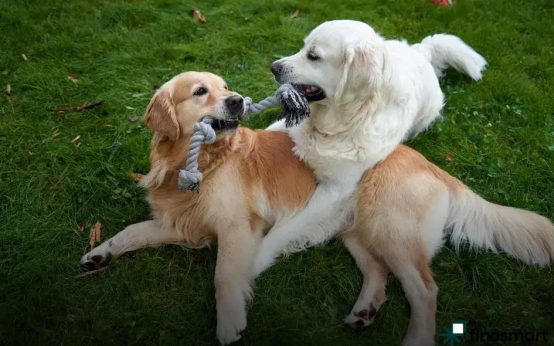
- Familiarize with Other Animals: Arrange controlled playdates with other dogs. Ensure the other animals are socialized and friendly.
- Vary the Environments: Expose your dog to different settings like parks, urban areas, and pet-friendly stores. This increases their adaptability.
- Monitor Body Language: Keep an eye on how your dog reacts. Watch for signs like wagging tails or relaxed posture to identify comfort, or tense body and tucked tail for discomfort.
- Use Commands: Reinforce basic commands such as ‘sit,’ ‘stay,’ and ‘come’ during socialization. It fosters control and security.
- Consistent Routine: Regular interactions are key. Consistency helps your dog understand what is expected.
- Safety First: Always make sure your dog is on a leash or in a secure environment where they cannot run away.
- Keep Experiences Short: When starting, keep social exercises brief and gradually increase the time.
Signs of Successful Socialization
Dogs exhibiting confident and relaxed behavior in new environments is a clear sign of successful socialization. A well-socialized dog will remain calm when meeting unfamiliar people and animals. They will exhibit friendly curiosity rather than showing fear or aggression.
Another sign is the dog’s ability to cope with various stimuli such as loud noises, different surfaces, and unexpected movements. Dogs that are properly socialized tend to handle these situations gracefully.
Look for positive body language: wagging tails, relaxed ears, and open, panting mouths generally indicate a comfortable and social dog.
Additionally, a dog that has been effectively socialized will adapt well to changes. Whether it’s a shift in routine or a new introduction, they demonstrate flexibility and resilience.
The dog’s willingness to play and interact positively with other dogs is a crucial
indicator
of successful socialization. They should be able to share toys and engage without showing possessiveness.
Watch for their response to your commands in social settings. A dog that maintains focus and obedience even in stimulating situations showcases the successfulness of its socialization process.

 Future Trends in the Pet Industry: What’s on the Horizon?
  Luxury Pet Products: Are They Really Worth the Price?
  Pet Subscription Boxes Explained: Discover the Best Deals