

Pet hygiene is essential to maintaining your pet’s health and happiness. Understanding the basics of grooming, daily practices, dealing with odors, and maintaining their environment can prevent health issues and promote a cleaner home. Explore what every owner should know to keep their pets feeling fresh and clean at all times.
Understanding Your Pet’s Grooming Needs
Every pet has unique grooming needs that can vary depending on their species, breed, and individual characteristics. It is crucial to understand these specific needs to ensure your pet’s health and comfort.
For instance, dogs with long fur may need regular brushing to prevent tangles and mats, while short-haired cats might require less frequent but equally important grooming sessions. Pay attention to your pet’s coat type and any specific grooming tools they require.
Different pets also have distinct grooming requirements for nail trimming, ear cleaning, and teeth maintenance. Regularly check your pet’s nails to prevent overgrowth or splitting. Similarly, ensure their ears are clean and free of debris, which can help prevent infections. Remember that dental hygiene is crucial for your pet’s overall health.
- Brush your pet regularly to distribute natural oils and keep the coat healthy.
- Use specific grooming tools suited for your pet’s fur type.
- Practice gentle handling to make grooming a positive experience for your pet.
Understanding your pet’s grooming needs involves more than just the act itself; it’s about recognizing signs of discomfort or underlying health issues that might become evident during grooming. By staying attentive to these needs, you nurture a healthier, happier pet.
Daily Hygiene Practices for Pets
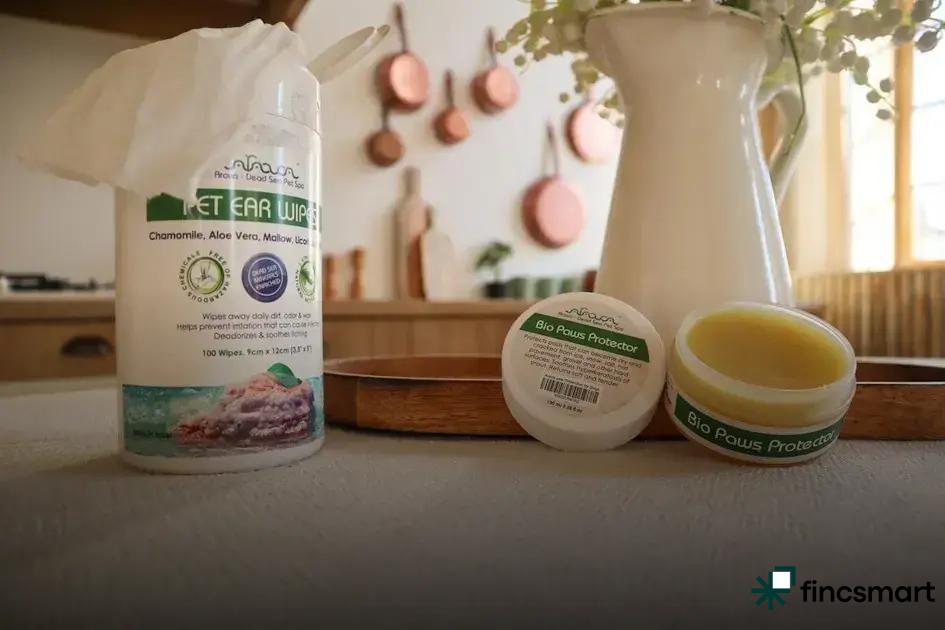
Ensuring a pet’s cleanliness is vital for their health and well-being. Brushing their fur daily helps in reducing shedding and prevents tangles and mats. It also distributes natural oils, keeping their coat shiny and healthy.
Teeth cleaning should not be overlooked. Using a pet-safe toothbrush and toothpaste can help prevent dental diseases. Aim to brush your pet’s teeth at least two or three times a week.
Pay attention to ear cleaning. Check their ears regularly for dirt, wax build-up, and signs of infection. Use a gentle ear cleaner designed for pets to clean the outer ear canal.
Don’t forget about their nails. Regular trimming prevents split and broken nails, which can cause discomfort. If your pet is anxious about nail trimming, try introducing them to the clippers slowly.
Bathing is another important aspect, but shouldn’t be overdone. Over-bathing can strip natural oils from the skin, leading to dryness. Typically, a monthly bath is sufficient for most pets.
Finally, ensure your pet’s paws are clean. Regularly check for cuts or foreign objects between their toes, especially after walks or outdoor play.
Dealing with Common Pet Odors
One of the most challenging aspects of pet ownership is tackling common pet odors. No matter how much you love your furry friend, sometimes they can produce smells that are less than pleasant.
Identifying the Source of the Odor
The first step in addressing pet odors is identifying what is causing them. Often, odors can come from your pet’s skin, fur, or even their breath. It’s essential to check these areas regularly.
Regular Bathing and Grooming
Regularly bathing your pet can significantly help reduce odors. Use a pet-friendly shampoo and make sure to rinse thoroughly. Grooming is also crucial, as it removes dead hair and skin that can contribute to bad smells.
Cleaning Ears and Teeth
Often, bad odors can emanate from your pet’s ears or mouth. Make sure to clean their ears carefully and brush their teeth regularly to prevent plaque buildup and bad breath.
Healthy Diet
A nutritious diet can also play a critical role in controlling odors. Poor diet can lead to unhealthy skin and coat, causing persistent smells. Ensure your pet is eating high-quality food suitable for their species and breed.
Pet Odor Neutralizers
If the smell persists, consider using pet-safe odor neutralizers in your home. Sometimes traditional cleaning won’t eradicate those stubborn scents.
Litter and Bedding Maintenance
For cats and small animals, ensure litter boxes are cleaned daily. Regularly wash pet bedding and toys, as they can hold onto odors if not cleaned often. By thoroughly addressing these areas, you can minimize pet odors and maintain a fresh and clean home environment.
Tips for Keeping Your Pet’s Environment Clean

Maintaining a clean space for your pet is crucial for their health and wellbeing. A tidy environment helps in reducing stress and preventing illnesses. Regular cleaning of your pet’s bedding, toys, and living areas helps eliminate allergens and pests.
Wash your pet’s bedding at least once a week using a pet-safe detergent. Vacuum the areas your pet frequents daily to remove fur and dander. Don’t forget to dust and sanitize surfaces to prevent bacteria buildup.
To keep the floors clean, consider using a steam mop for tiled or hardwood floors as it kills germs without harmful chemicals. If your pet uses a litter box, scoop it out daily and replace the litter frequently to control odors and bacteria.
Ensure your pet’s food and water bowls are cleaned daily. Wash them with hot water and mild soap to avoid contamination. Rotating toys regularly prevents dust and bacteria accumulation, which is key to a healthy environment.
Creating a cleaning schedule tailored to your pet’s habits and lifestyle makes it easier to maintain a pristine environment. Remember, a clean environment is not only good for your pet but also for your entire household.
When to Seek Professional Grooming Help
Recognizing when your pet needs professional grooming can ensure their comfort and health. Not every pet requires frequent professional grooming, but sometimes expert help is necessary.
Signs It’s Time for a Groomer:
- Matting: If your pet’s fur becomes tangled, it might cause discomfort and skin issues. A professional groomer can safely remove these mats.
- Nail Overgrowth: If your pet’s nails click on the floor or curl under their paw pads, they might be due for a trim.
- Skin Conditions: Rashes, dryness, or irritation may need the attention of a groomer to recommend special treatments or shampoos.
Benefits of Professional Grooming:
- Expertise: Groomers possess knowledge about different types of fur and which products suit specific breeds.
- Health Check: Groomers often spot signs of infections or abnormalities you might overlook.
- Time and Convenience: Grooming at home can be challenging; professionals make the process stress-free.
Understanding when to seek professional grooming help is crucial to maintaining your pet’s health and comfort. Consider these factors to decide when it’s time to seek expert care.

 Future Trends in the Pet Industry: What’s on the Horizon?
  Luxury Pet Products: Are They Really Worth the Price?
  Pet Subscription Boxes Explained: Discover the Best Deals