

If you have ever wondered how to keep your pet happy and stress-free, you are not alone. Many pet owners strive to ensure their furry companions lead joyful and healthy lives. In this article, we’ll explore various ways to understand your pet’s needs, create a safe and engaging environment, and ensure their overall well-being. Let’s dive into practical tips that will make a significant difference in your pet’s life.
Understanding Your Pet’s Needs
Understanding your pet’s needs is crucial for maintaining their well-being and mental health. Pets, much like humans, have basic and emotional needs. Not only do they require food and shelter, but they also crave affection, stimulation, and a sense of routine to thrive. Let’s dive deeper and explore what these needs entail.
Firstly, communication with your pet is key. While they may not understand words like we do, pets are adept at reading body language, tone, and consistent signals. When you’re in tune with your pet’s non-verbal cues, you can address their needs more effectively. For example, a wagging tail might indicate happiness in dogs, but when it’s stiff or low, it might be a sign of discomfort or fear.
Next, consider
socialization
aspects. Most pets are social creatures and can experience loneliness if left alone for too long. Incorporate activities that encourage interaction, whether it’s with you, other pets, or even other people. Socializing your pet with other animals helps boost their confidence and reduces anxiety in unfamiliar situations.
Another factor is providing mental stimulation. Pets, especially younger ones, have a natural curiosity about the world around them. This can be nurtured by engaging them in play, teaching them new tricks, or introducing them to new environments safely. Toys that challenge your pet’s intellect, such as puzzles and interactive games, are excellent choices for keeping their minds sharp.
Consistency in daily routines is also important. Pets find comfort in knowing what to expect, so maintaining regular feeding, playtimes, and rest can help them feel secure. Consistent routines also make it easier to notice changes in behavior that might indicate a problem.
Lastly, observation plays a critical role. Pay attention to your pet’s behavior and habits. Any significant changes might be a signal that something is amiss, whether it’s a health issue or a need that’s not being met. Listening to your pet’s signals can prevent issues from escalating and help maintain their stress-free life.
Creating a Safe and Engaging Environment

Creating a Safe and Engaging Environment
Creating a safe and engaging environment for your pet is essential in ensuring their happiness and well-being. Start by pet-proofing your home. Remove potential hazards such as toxic plants, electrical cords, and small objects that can be swallowed. A safe environment reduces the risk of accidents and keeps your pet secure.
Next, ensure your pet has ample mental and physical stimulation. Provide a variety of toys that cater to different instincts such as chewing, chasing, or fetching. Rotate the toys regularly to keep your pet interested and engaged. For example, puzzle toys can be a great way to keep your pet’s mind active.
Consider designating specific areas for different activities. Have a cozy spot for rest and relaxation, ideally somewhere quiet and away from the hustle of daily life. A designated play area helps your pet understand where they can let loose and have fun.
Social interaction is also vital. Spend quality time with your pet, and engage in activities they enjoy, whether it’s a game of fetch, a training session, or simply cuddling on the couch. This strengthens your bond and contributes to their mental health.
Don’t forget about the outdoor environment if your pet spends time outside. Fenced yards prevent escapes while allowing your pet to play safely. Ensure that outdoor spaces are free of harmful plants or hazards, and provide shaded areas to protect them from extreme weather conditions.
By creating a balanced and enriching environment, you’re not only keeping your pet safe but also nurturing their joy and reducing the chances of stress-related behaviors. Remember, a well-stimulated pet is a happy pet.
Healthy Diet and Regular Exercise
Providing a balanced diet and regular exercise is crucial in maintaining the health and happiness of your pet. Just like humans, pets require a nutrient-rich diet to thrive. Consult with a veterinarian to determine the best dietary plan tailored to your pet’s breed, age, and activity level. Quality food, free from artificial additives, helps ensure they receive sufficient vitamins, minerals, and proteins.
Regular exercise is essential for your pet’s physical and mental health. Encourage daily activities that suit their nature and energy levels. For dogs, this may involve daily walks, runs, or play sessions in the park. Cats, although more independent, benefit from engaging in interactive play with toys like feather wands or laser pointers. This not only helps in maintaining a healthy weight but also reduces anxiety and boredom.
Incorporating variety in both diet and exercise prevents monotony and enriches their environment. Rotate toys and introduce new activities to keep them mentally stimulated and physically active. Remember, consistency is key; make a routine and stick to it. Your efforts in these areas will significantly contribute to a happy, stress-free life for your cherished companion.
Managing Stressful Situations
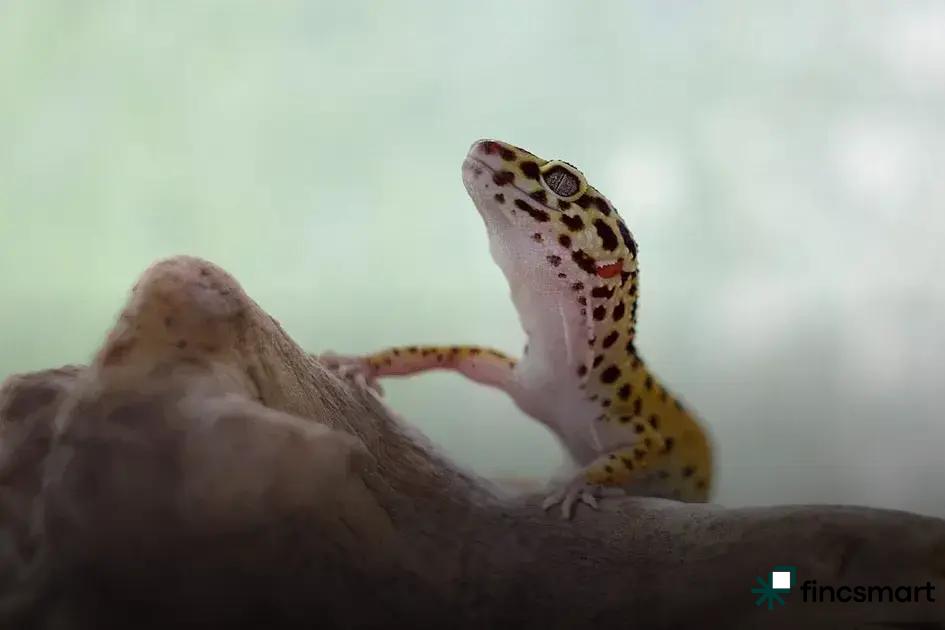
When pets encounter stressful situations, it’s crucial to maintain a calm environment. Recognize signs of stress such as excessive barking, hiding, or aggression. Addressing these can help in reducing anxiety. Spend quality time soothing your pet with gentle petting and talking softly. This helps reassure them you’re there and they’re safe.
Consider
calming techniques
, like using pheromone diffusers that can mimic natural comforting signals. These tools can provide relief and create a calming effect. Always ensure they have a quiet, stress-free area to retreat to if they need space.
Maintain a consistent routine amidst any changes. Pets thrive on predictability, and drastic changes can be unsettling. During travel or household renovations, keep their feeding and walking schedule intact. This stability can significantly reduce stress levels.
When introducing new experiences or individuals, do so gradually and positively. Reward them with treats or praise to encourage calm behavior. It’s important to build positive associations with new situations.
If you notice persistent signs of stress, consult with a veterinarian. They can help assess if there are underlying health issues or suggest additional strategies or treatments to manage anxiety effectively. Addressing stress at its root ensures a healthier, happier pet.
Regular Check-Ups and Preventative Care
Taking your pet to the vet for regular check-ups is essential for maintaining their health and well-being. During these visits, veterinarians can identify potential issues before they turn into major health concerns. They can perform various tests to ensure your pet is in optimal health, such as blood tests and allergy screenings.
An essential aspect of preventative care is vaccinations. Keeping your pet up-to-date with their vaccines helps prevent serious health issues caused by viruses and bacteria. Discuss with your vet the necessary vaccination schedule for your pet’s specific needs.
Another component of preventive care includes dental cleanings. Dental health is critical in preventing infections that can affect your pet’s overall health. Regular cleanings and check-ups help maintain healthy teeth and gums.
Parasite control is also crucial. Parasites like fleas, ticks, and worms can cause significant discomfort and lead to severe health complications. Your vet can recommend effective treatments and preventive measures to keep these parasites at bay.
Monitoring your pet’s weight is another key aspect of preventative care. Obesity can lead to various health problems, including diabetes and joint issues. Make sure to discuss your pet’s diet and exercise regimen with your vet to keep them in a healthy weight range.
In summary, commit to regular veterinary care and preventive measures to ensure your pet enjoys a long, healthy, and happy life. Each visit helps build a comprehensive health profile for your pet, aiding in early detection and management of potential health issues.

 Future Trends in the Pet Industry: What’s on the Horizon?
  Luxury Pet Products: Are They Really Worth the Price?
  Pet Subscription Boxes Explained: Discover the Best Deals