

Caring for a senior pet requires understanding their unique needs as they age. Providing the right environment and diet is crucial. Our Senior Pet Care Tips guide offers insights into meeting these needs, ensuring your furry friend stays healthy and happy. Explore the importance of tailored nutrition, regular vet visits, and mental stimulation to enhance their golden years.
Understanding Your Senior Pet’s Needs
As pets age, they undergo changes that require specific care and attention. Understanding these changes is crucial for ensuring a happy, healthy, and comfortable life for your senior companion. Physical Changes are common in senior pets; they may experience reduced energy levels, joint stiffness, and slower movement. Observing your pet’s behavior closely helps in adapting their daily routine to accommodate these new needs. Sensory Changes can also occur, such as diminished eyesight or hearing, necessitating a safer home environment. Cognitive functions may decline too; some pets might become disoriented or more anxious. Recognizing signs of discomfort or pain, like excessive licking, changes in appetite, or withdrawal, is essential for their well-being. Stay attentive to your pet’s changing needs to address any issues promptly.
Emotional Needs
should not be overlooked. Senior pets may require more affection and reassurance, especially if they are experiencing sensory or cognitive changes. Ensure they feel secure and loved through consistent, gentle interactions. Personal attention helps ease anxiety and strengthens the bond between you and your pet. Tailoring care to suit your senior pet’s individual needs enhances their quality of life as they age gracefully.
Creating a Comfortable Environment
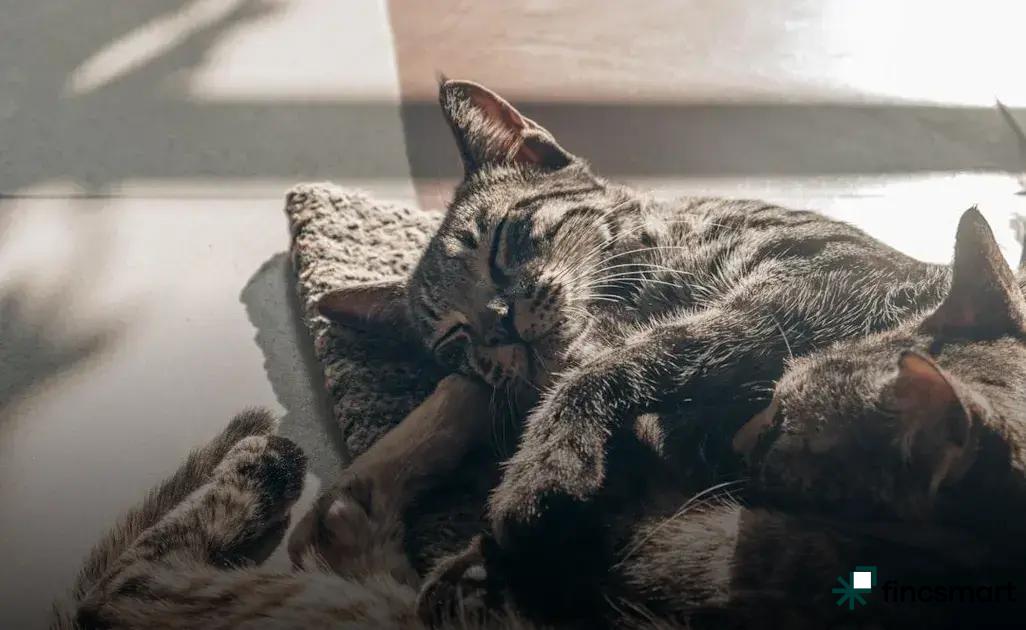
Creating a comfortable environment for your senior pet is crucial to ensure their well-being and happiness. Old age brings changes that may affect their mobility, senses, and general outlook. Start by evaluating your pet’s current living space and making necessary adjustments to accommodate their needs.
Provide a Cozy Resting Area with a soft bed in a quiet, draft-free corner. An orthopedic bed can help relieve arthritis and support joints. Ensure it is low to the ground for easy access. Temperature control is also essential. Senior pets can be more sensitive to cold or heat, so keep the area comfortable and constant in temperature.
Consider placing ramps or steps to help them get on furniture or into vehicles without strain. This simple addition can prevent injuries and encourage safe movement around their habitat.
Maintain a Clutter-Free Space to allow easy navigation. Remove obstacles that could trip your pet. Ensure food, water, and litter boxes are easily accessible, ideally placing them on each floor if you have multiple stories in your home.
Using non-slip rugs or mats on slippery floors can provide extra support and prevent falls. Additionally, pay attention to lighting—aging pets often experience declining vision, so keeping the surroundings well-lit aids in safe movements.
Regular Cleaning of their environment reduces allergens and makes it a healthier place overall. Developing a consistent cleaning routine also helps identify potential hazards.
Finally, ensure that noise levels are kept low, as sensitivity to loud sounds may increase with age, potentially causing distress. By making these thoughtful adjustments, you create a nurturing space that supports your senior pet’s health and comfort. Keep in mind that each pet is unique, so observe and adapt to their specific preferences and limitations.
Nutrition and Feeding Guidelines
Nutrition and Feeding Guidelines for senior pets are crucial to ensure they age gracefully and maintain good health. As pets grow older, their metabolism slows down, and their nutritional needs change. It’s important to adjust their diet to accommodate these changes. Feeding them high-quality, balanced meals that are rich in necessary nutrients can greatly improve their quality of life.
Begin by consulting with your veterinarian to determine the best dietary plan. They can recommend specific food formulas designed for senior pets, which often contain added supplements to support joint health, immune function, and overall vitality. Look for products with reduced calories to help control weight, as obesity is a common problem in older pets.
Ensure the diet includes adequate protein to support muscle maintenance. Senior pets might need more protein to prevent muscle wastage, but it’s essential to choose easily digestible sources to prevent stress on the kidneys. Omega-3 fatty acids can also be beneficial for reducing inflammation and promoting joint health.
Maintain a consistent feeding schedule. Older pets benefit from regular meal times that fit their changing lifestyle and energy levels. Splitting their daily intake into two or three small meals can aid digestion and prevent bloating.
Always provide access to fresh water. Senior pets can be prone to dehydration, so ensure they drink enough, and be vigilant about their water intake. Consider supplementing their water with broth or adding moisture-rich foods like wet food to their diet.
Pay attention to their individual preferences as well. A senior pet’s senses, such as smell and taste, may diminish, so finding flavours and textures they enjoy can help maintain their appetite. Observing how your pet reacts and adjusting the diet as necessary is key for their continued health and well-being.
Finally, be cautious with treats. While treats can be a great form of interaction and reward, ensure they don’t contribute to excessive caloric intake, and choose healthy options.
Regular Vet Check-ups and Preventative Care
Regular vet check-ups are crucial for maintaining your senior pet’s health. These visits help in identifying potential health issues early. Early detection of conditions such as arthritis, dental disease, or diabetes can make a significant difference in your pet’s quality of life. During check-ups, veterinarians will often conduct blood tests to monitor the pet’s organ functions and overall health metrics.
In addition to regular visits, preventative care is vital. This includes maintaining an updated vaccination schedule, as older pets may have weakened immune systems. Parasite prevention is also essential, as senior pets are susceptible to flea, tick, and heartworm infestations.
Discuss with your vet about customized health plans that might include dietary adjustments or supplements to support joint health. Proper dental care is another key factor in preventative care. Regularly brushing your pet’s teeth and professional cleanings can prevent periodontal disease, which is common in older animals.
Weight Management
is another aspect of preventative care you should not overlook. Maintaining a healthy weight for your senior pet helps prevent various health issues, including joint pain and heart disease. Regular vet visits will help monitor your pet’s weight and adjust their diet if necessary.
Engaging Activities for Older Pets
Providing a variety of engaging activities can greatly enhance the quality of life for older pets. As pets age, their physical abilities and cognitive functions might decline. Therefore, adapting activities to fit their specific needs is crucial. Interactive toys that dispense treats can stimulate their minds and keep them entertained. Encouraging gentle play sessions with soft toys can also help maintain their physical health.
For older dogs, regular walks should be shorter but more frequent, allowing them to enjoy the outdoors without overexertion. Consider incorporating walking games, like playing fetch at a slower pace, or allowing them time to sniff and explore their surroundings, which can boost their mental stimulation.
For senior cats, the use of cat trees or shelves at different levels can invite them to climb and perch safely, stimulating their natural instincts without requiring strenuous effort. Puzzle feeders specifically designed for cats can provide a rewarding challenge, enhancing both mental engagement and feeding time.
Additionally, training sessions tailored for senior pets, focused on simple commands or tricks, can be a fun way to engage their minds and promote bonding. Such activities should always be positive and rewarding, ensuring your older pet remains happy and healthy.

 Future Trends in the Pet Industry: What’s on the Horizon?
  Luxury Pet Products: Are They Really Worth the Price?
  Pet Subscription Boxes Explained: Discover the Best Deals