

Ensuring your pet undergoes regular grooming is vital for its health and happiness. Pet grooming not only keeps your pet looking good but also supports their overall well-being by removing dirt, tangles, and harmful pests. Let’s delve into the necessities of grooming and understand the key benefits it brings. Whether you’re dealing with grooming challenges or setting up a schedule, this guide will provide valuable insights to make your pet’s grooming routine seamless and rewarding.
Understanding Pet Grooming Necessities
Regular pet grooming is crucial for maintaining your pet’s health and hygiene. Understanding the basic necessities can help ensure your pet remains comfortable and clean. Grooming involves several activities such as bathing, brushing, nail trimming, and ear cleaning. Each of these tasks plays a vital role in your pet’s overall well-being.
Bathing your pet helps in removing dirt and debris, which is essential for maintaining a healthy coat. Depending on your pet’s breed and skin type, the frequency of baths may vary. For example, dogs with oily skin might need more frequent baths than those with drier skin.
Brushing regularly not only keeps your pet looking good but also prevents tangles and matting. It helps in distributing natural oils across the coat, promoting a shiny and healthy appearance. Brushing is also an excellent opportunity to check for fleas or skin issues.
Nail trimming is another essential aspect of grooming. Overgrown nails can cause discomfort and even lead to painful conditions if left unchecked. It is important to trim your pet’s nails carefully to avoid cutting into the quick, which can be painful and cause bleeding.
Ear cleaning helps in preventing infections. Pets with floppy ears are especially prone to ear infections due to reduced air flow, so it is important to keep their ears clean and dry. Using a pet-safe ear cleaner, gently wipe the outer ear should suffice.
Understanding these necessities and incorporating them into your routine can make a significant difference in your pet’s quality of life. Always consult with your veterinarian or a professional groomer for specific advice suited to your pet’s needs.
Benefits of Regular Grooming
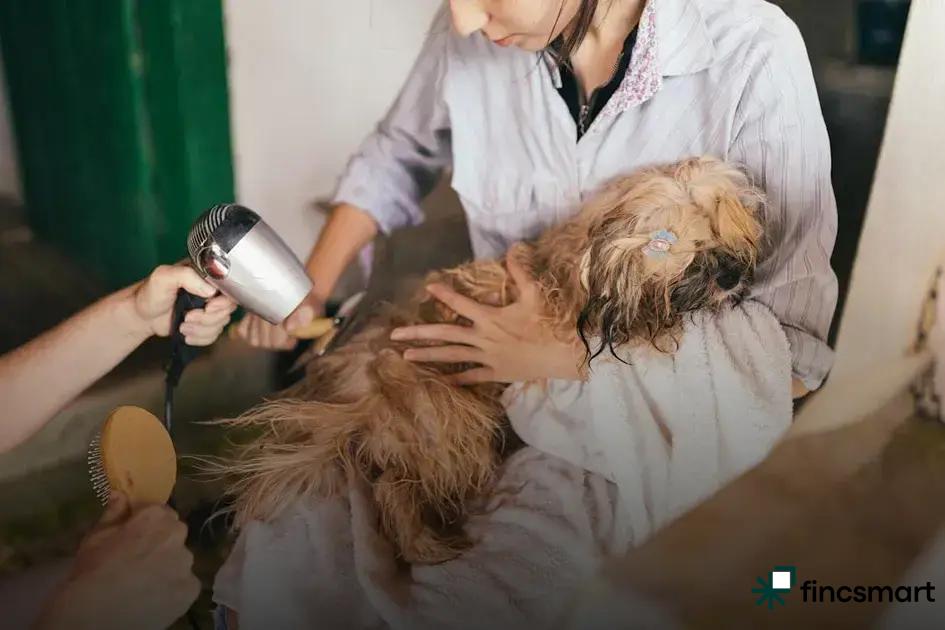
Enhancing Skin and Coat Health: Regular grooming is essential in maintaining your pet’s skin and coat. Brushing your pet helps to remove dead hair, dirt, and dandruff. It encourages natural oils in the pet’s fur to circulate, promoting a healthy and shiny coat. Ensuring Cleanliness: Grooming involves bathing, trimming, and cutting nails. Keeping the pet clean reduces the chances of skin irritations, infections, and the spread of germs.
Preventing Health Issues:
Regular grooming sessions allow you to check for underlying health issues such as skin problems, ticks, or fleas. Early detection can prevent more serious health problems. Improving Behavior: Pets who are used to regular grooming sessions are often more relaxed and calm. They understand the grooming routine and what to expect, reducing stress and improving their overall behavior.
Bonding with Your Pet:
Grooming is not only beneficial for the pet’s hygiene, but it also offers quality time for bonding. It is an opportunity to strengthen the relationship between you and your pet.
Tools and Techniques for Effective Grooming
Using the right tools and knowing the best techniques are essential for effective grooming. Brushes and Combs are crucial as they help remove loose hair and prevent matting. Depending on your pet’s coat type, you might need a slicker brush, a bristle brush, or a shedding tool. For nail trimming, a good pair of pet nail clippers or a nail grinder is recommended to avoid overgrowth and discomfort. Bathing is another important aspect. Ensure to use pet-safe shampoos that suit your pet’s skin and fur needs. Remember never to use human shampoo, as it’s not pH balanced for pets. Dental hygiene also plays a significant role. Using a pet toothbrush and toothpaste will help keep your pet’s teeth and gums healthy. Mastering these techniques can ensure a stress-free grooming experience for both you and your pet. Additionally, regular grooming builds a strong bond between you and your pet, promoting trust and companionship.
Dealing with Common Grooming Challenges

Pets often face grooming challenges that can make the process difficult for both the pet and the owner. One common issue is matting in long-haired pets. Mats can form when the fur becomes tangled or knotted, which can cause discomfort or even pain. Regular brushing is essential to prevent mats from forming. Use a slicker brush for detangling and a comb to ensure there are no hidden knots. If matting is severe, it may be necessary to consult a professional groomer.
Another challenge is skin irritations or allergies. Some pets have sensitive skin that can react to certain shampoos or grooming products. It’s important to choose products specifically designed for pets and, when possible, hypoallergenic. Monitor your pet for any signs of irritation, such as redness or excessive itching, and consult a vet if symptoms persist.
Clipping nails is a task many pet owners find daunting. Pets can be resistant, making it tough to perform the task safely. Regular clipping is important to prevent pain and to maintain your pet’s mobility. Use a sharp, appropriate-sized nail clipper and try desensitizing your pet by gently handling their paws daily. If you’re unsure or nervous about clipping nails, a professional groomer or veterinarian can demonstrate the correct technique.
Bath time can be stressful for pets not acclimated to water. To avoid stress, use positive reinforcement techniques such as treats and gentle praise during and after the bath. Additionally, make sure the water is lukewarm and keep bathing sessions brief at first until your pet becomes more comfortable with the process.
Remember, regular grooming not only helps in maintaining your pet’s physical health but also strengthens the bond between you and your pet. If dealt with patience and understanding, even the most common grooming challenges can become manageable.
Setting a Grooming Schedule
Establishing a grooming routine is crucial for maintaining your pet’s health and hygiene. By creating a consistent grooming schedule, you ensure that your furry friend receives regular care and attention. The frequency of grooming largely depends on your pet’s breed, coat type, and lifestyle. For instance, dogs with long or curly fur like poodles and cocker spaniels typically require more frequent grooming compared to short-haired breeds.
Start by determining the grooming needs specific to your pet. This includes bathing, brushing, ear cleaning, and nail trimming. Consulting with a veterinarian or a professional groomer can provide insights into what your particular pet might need. After identifying these needs, you can create a grooming calendar that outlines when each activity should take place.
Brushing and Bathing
Regular brushing helps in managing your pet’s shedding and preventing matting. Most pets benefit from brushing at least once a week, with the frequency increasing during shedding seasons. Bathing, on the other hand, should be done as per the recommendations for the specific breed or as per the dirt and smell requirements.
Nail Trimming and Ear Cleaning
Nail trimming is another essential part of the grooming schedule. Overgrown nails can lead to discomfort and even health issues. It’s generally recommended to trim a pet’s nails every 3-4 weeks. Ear cleaning is crucial as well, especially for pets prone to ear infections. Keep an ear on your pet’s health to decide the frequency for this.
Adhering to a grooming schedule not only helps in maintaining your pet’s appearance but also promotes better health and behavior. Regular grooming acts as a preventive measure for various health issues, ensuring your pet stays happy and comfortable.

 Future Trends in the Pet Industry: What’s on the Horizon?
  Luxury Pet Products: Are They Really Worth the Price?
  Pet Subscription Boxes Explained: Discover the Best Deals