
If you’re worried about your pet’s anxiety, you’re not alone. Many animals experience stress that can impact their health and happiness. By understanding how to reduce pet anxiety, you can help your furry friend feel more comfortable. This guide explores simple yet effective methods to decrease anxiety through training, environment, and natural remedies.
Understanding the Signs of Pet Anxiety
Recognizing the signs of pet anxiety is crucial for implementing effective strategies to help your furry friend feel comfortable. Anxiety in pets can manifest in various forms. Common indicators include: excessive barking or meowing, destructive behavior, and attempts to escape.
Pets may also showcase physical symptoms like pacing, trembling, panting, or excessive licking. Body language such as pinned ears, tail between the legs, or crouching can also hint at underlying distress. Understanding these signs allows pet owners to address anxiety head-on and consider interventions.
It is vital to observe these behaviors in different contexts to understand what triggers anxiety in your pet. Be it new environments, loud noises, or being left alone, identifying triggers becomes an essential part of effective anxiety management.
Creating a Calming Environment at Home
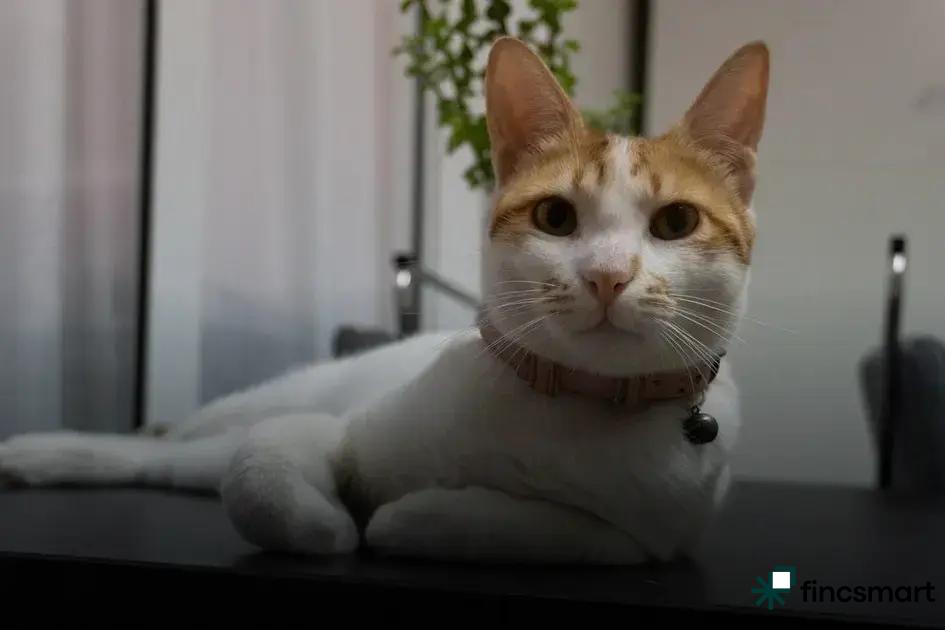
When aiming to reduce pet anxiety, creating a calming environment at home can make a significant difference. Pets are sensitive to their surroundings, so ensuring they feel safe and secure is essential.
Design a Cozy Space
Consider setting up a dedicated area where your pet can retreat during stressful times. This space should be quiet, comfortable, and equipped with familiar items like their favorite blanket or toy. Having a designated haven can help soothe your pet when they feel anxious.
Use Soft Lighting and Sounds
Keep the lights dim in your home to create a relaxing atmosphere. Soft ambient lighting can reduce the chances of overstimulation. Additionally, playing gentle music or white noise can mask any sudden loud sounds that might startle your pet, providing them with a comforting auditory backdrop.
Establish a Routine
Pets thrive on consistency, so maintaining a regular schedule for feeding, walks, and rest times can offer them a sense of security. A predictable routine helps your pet understand what to expect, which can alleviate anxiety.
Incorporate Calming Scents
Introducing calming scents can play a crucial role in creating a serene environment. Aromatherapy with pet-safe essential oils like lavender or chamomile may help relax your pet. Ensure the diffusers are pet-safe and placed out of reach.
Minimize Clutter
A cluttered home can be overwhelming for your pet. Keeping spaces tidy and organized limits potential stressors and allows for more room to explore and move freely.
Ultimately, a calming environment is instrumental in reducing pet anxiety. By focusing on these tangible aspects, you can enhance your pet’s comfort and ease stress effectively.
Effective Training Techniques for Anxious Pets
Training is vital for helping anxious pets feel secure and confident. By focusing on methods that build trust and reduce stress, you ensure more positive interactions.
Positive Reinforcement Techniques
Use treats or praise to reward your pet for calm and relaxed behavior. Positive reinforcement encourages repeated good behavior without stress. Researchers have found this method more effective for reducing anxiety, as it focuses on gentle encouragement.
Desensitization and Counterconditioning Gradually exposing your pet to stressful stimuli in a controlled way can reduce anxiety. Pairing these experiences with positive rewards helps change their emotional response.
Consistent Training Sessions
Establish a routine for your pet’s training. Regular sessions at the same time each day can create a comforting predictability and help reduce anxiety in your pet by providing structure.
Use of Tools and Resources Calming tools like thunder shirts or anxiety wraps can be beneficial during training. They apply gentle, steady pressure that can have a calming effect.
Combining these techniques with patience and a calm demeanor will facilitate a more reassuring training experience for your anxious pet.
Using Natural Remedies to Ease Anxiety
Natural remedies can play a significant role in managing pet anxiety effectively. Many pet owners find success in reducing their pet’s stress using herbal supplements. Chamomile and valerian root are popular choices due to their calming properties. These herbs can help soothe an anxious pet when given in appropriate doses.
Aromatherapy is another option worth considering. Essential oils such as lavender can have a calming effect on pets. Using a diffuser or applying diluted oils to the pet’s bedding may help introduce a sense of peace and security.
Additionally, consider the impact of dietary changes. A well-balanced diet can improve a pet’s mood and energy levels. Foods rich in omega-3 fatty acids, found in fish oils, are known to support brain health and reduce anxiety.
Another natural approach involves tactile stimulation. Massaging your pet can create a strong bond and provide comfort. The gentle touch from massage can be very soothing, promoting relaxation and trust.
A consistent routine plays a critical role too. Regular feeding, walking, and play sessions help create a sense of structure, reducing anxiety by providing a predictable environment.
When to Consult a Veterinarian
Recognizing when to consult a veterinarian for pet anxiety is crucial for your pet’s well-being. While there are many home strategies to reduce anxiety, some cases require professional intervention.
Notice Unusual Symptoms: If your pet exhibits extreme anxiety symptoms like persistent restlessness, aggression, or changes in appetite that don’t improve with basic interventions, it’s time to seek veterinary advice. Prolonged signs could point to underlying health issues.
Behavioral Changes: Sudden shifts in behavior, such as withdrawal or increased fearfulness, can indicate a need for medical attention. These changes might be linked to pain or other health conditions.
Consultation for Professional Guidance
A veterinarian can assess your pet’s overall health and determine if medical conditions contribute to their anxiety. They can also suggest suitable treatments, including medication or therapy, to alleviate severe symptoms.
Regular Check-ups: Routine veterinary visits are important in managing your pet’s anxiety effectively. These check-ups allow for early detection of potential health issues that could exacerbate anxiety symptoms.
Ultimately, understanding when to reach out for professional advice ensures your pet receives comprehensive care tailored to their specific needs. Working in tandem with your veterinarian can help create a holistic approach to managing your pet’s anxiety.

 Future Trends in the Pet Industry: What’s on the Horizon?
  Luxury Pet Products: Are They Really Worth the Price?
  Pet Subscription Boxes Explained: Discover the Best Deals