

Creating a loving and safe environment for your pets starts with understanding how to build a pet-friendly home. From selecting materials that are both durable and safe for animals to arranging the perfect space for relaxation, a pet-friendly home reflects thoughtful planning. Explore ways to organize pet essentials and ensure their safety while adding touches like pet-friendly plants for that homely feel.
Choosing Pet-Safe Materials
When planning your home to be pet-friendly, it is essential to carefully choose materials that ensure the safety and comfort of your furry friends. Opt for non-toxic paints and finishes, as these will be safe if your pet accidentally licks walls or furniture. Consider using hardwood or tile flooring instead of carpets, which can trap pet hair and are harder to clean. For a cozy touch, provide washable area rugs to easily maintain cleanliness.
Furniture selection
is also crucial; choose pieces with durable, scratch and stain-resistant fabrics to withstand wear and tear from paws and claws. Additionally, using slipcovers can safeguard furniture and can be easily cleaned. Avoid sharp-edged furniture to prevent injuries. Consider installing scratch posts or pads alongside furniture to keep pets entertained and prevent damage. Finally, remember to keep windows pet-safe by choosing blinds or curtains that don’t easily tangle to prevent accidents.
Creating Comfortable Pet Spaces
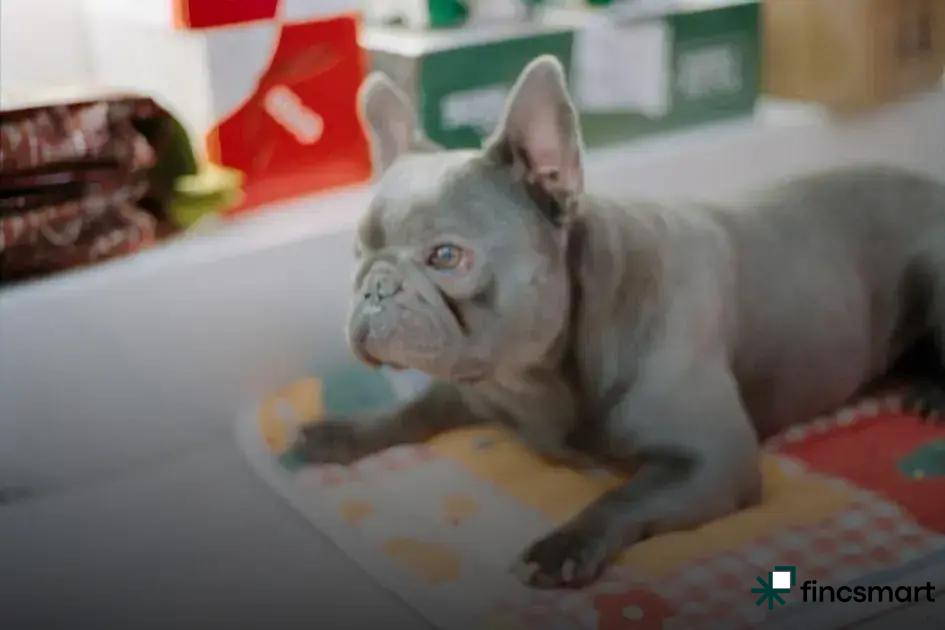
Designing an area that your pet finds comfortable is key to a happy home for both you and your furry friend. Understanding their needs is the first step in this process. Provide a cozy bed or cushion where they can retreat and relax. Ensure that the space is away from drafts and loud noises to create a serene environment.
For cats, consider adding vertical spaces such as shelves or a cat tree. Cats love to climb and observe their surroundings from high places. For dogs, think about adding a dedicated play area. This can include a toy basket or a small area rug where they can play with their favorite toys.
Temperature control is another factor to consider. Make sure your pet has access to both sunny spots and shaded areas, so they can choose where to rest based on how they’re feeling. If you live in a cooler climate, heated mats or beds can be a wonderful addition.
Certain animals, like rabbits or guinea pigs, may enjoy a small enclosed area, providing them a sense of security while ensuring they have room to move. Decorate their space with chew toys and tunnels for enrichment.
Finally, add personal touches by including their favorite items, such as a beloved blanket or a familiar toy, around their space. This enhances comfort and makes the space uniquely theirs.
Organizing Pet Essentials
Keeping all your pet’s essentials organized is vital for a harmonious home. An effective way to do this is by designating a specific area for their items. Consider using baskets or bins that match your home decor to store toys, leashes, and grooming supplies. It’s also helpful to label these containers for easy access.
Another great tip is to create a grooming station in a dedicated closet or a small corner of a room. This station can include a shelf or drawer with their brushes, shampoos, and towels neatly arranged. This organization not only minimizes mess but also makes grooming time more efficient.
Avoid clutter by keeping feeding areas tidy. Use a mat under their bowls to catch spills and store extra food in airtight containers to keep it fresh. If space is limited, consider investing in stackable containers for storing kibble, treats, and canned food.
Leashes, collars, and harnesses can be hung on hooks near the door for quick and easy access before walks. It’s a simple solution that can significantly reduce the time spent searching for these items.
For households with multiple pets, color-coding each pet’s belongings can prevent mix-ups. Use different colored bowls, leashes, and storage bins for each animal. This method supports a seamless daily routine and ensures each pet gets the right items.
Invest in quality storage solutions that offer both functionality and style. Modular shelving units or storage cubes can adapt as your pet’s needs change. These systems keep your home looking tidy while providing ample space for all pet-related items.
Ensuring Home Safety for Pets

When it comes to ensuring home safety for pets, there are several measures you can take to create a secure environment. Start by inspecting all rooms for potential hazards. Keep cleaning supplies, medications, and small objects out of pets’ reach. Use childproof locks on cabinets that contain dangerous substances.
Next, secure electrical cords and outlets, which can pose a risk to curious pets. Hide cords behind furniture or use protective coverings, and install outlet covers to prevent accidental shocks. Additionally, check for any loose wires or cables that could become entangled with your pet.
Install safety gates in areas like staircases and kitchens. This can prevent pets from accessing areas that might not be safe, like a room with delicate décor or hazards. You might also consider using bumpers on sharp corners of furniture to prevent injuries.
Another important step is to ensure windows have secure screens, especially if they are likely to be opened regularly. This is essential for preventing accidental falls. Use window guards if your pets are particularly inquisitive about the outdoors.
Be cautious with plants inside your home. Many common houseplants can be toxic to pets. As a part of ensuring safety, you might want to reference the section on Incorporating Pet-Friendly Plants for recommendations on which plants are safe.
Lastly, keep a close watch on doors to the outside. Make sure that they latch properly, and consider adding a secondary barrier like a pet gate. This adds an extra layer of security against accidental escapes. Regularly check fences for gaps or weaknesses that a determined pet might exploit.
Maintaining a secure environment for your pets requires a little planning, but it ensures peace of mind knowing your furry companions are safe as they explore their home.
Incorporating Pet-Friendly Plants
Choosing the right plants is crucial when creating a pet-friendly home. Many common houseplants can be toxic to pets if ingested, so it’s important to select varieties that are safe for your furry friends.
Pet-Friendly Plant Options
Some excellent choices for pet-friendly plants include Spider Plant, Bamboo Palm, and Boston Fern. These plants not only add greenery to your home but are also non-toxic to both cats and dogs.
Another great option is the Areca Palm, which is safe and perfect for improving indoor air quality. Also, consider adding herbs like Thyme or Basil as they are safe for pets and can be used in the kitchen.
Placement and Care
Place your pet-friendly plants in areas that are both accessible for watering but out of reach for playful paws, such as on shelves or in hanging planters. This will help minimize any potential mess or damage. Ensure they receive adequate light and water, as neglected plants are less likely to thrive and more prone to disease.
Remember, even non-toxic plants can cause digestive upset if your pet consumes too much. Monitor any plants your pets can reach and watch for signs of chewing.

 Future Trends in the Pet Industry: What’s on the Horizon?
  Luxury Pet Products: Are They Really Worth the Price?
  Pet Subscription Boxes Explained: Discover the Best Deals