

Wondering how often you should bathe your pet? This common question has different answers depending on various factors like breed, activity level, and health conditions. In this article, we’ll explore these aspects to help you determine the best bath frequency for your furry friend. Keep reading to gain valuable insights and ensure your pet stays clean and healthy!
Understanding Your Pet’s Coat and Skin
Each pet has a unique coat and skin type that plays a crucial role in determining the frequency of baths. Understanding these characteristics can help you keep your pet’s coat healthy and clean without overbathing. Pay attention to the type of fur your pet has—whether it’s short, long, thick, or thin. This will influence how often you should bathe them, as different textures have different care requirements.
Consider the natural oils in your pet’s skin, which provide a protective barrier against the environment. These oils can be stripped away by excessive bathing. A dog’s or cat’s coat acts as a regulator for body temperature and protection against allergens. For instance, dogs with oily skin may require more frequent baths than those with dry skin, while the opposite could be true for cats.
Pets with allergies or skin sensitivities may need specific grooming products or schedules. Regular inspection of your pet’s skin and coat for ticks, fleas, or dry patches will give you a better idea of how often to conduct baths. Keeping their fur brushed and debris-free plays a significant role in maintaining their overall skin health.
Paying attention to your pet’s fur and skin will guide you to develop a regular bath routine that fits their needs without disrupting their natural oil balance. Understanding these elements will help you ensure their coat remains healthy, shiny, and clean.
Factors Influencing Bath Frequency

The frequency of bathing your pet often primarily hinges on several critical factors. One such pivotal element is your pet’s activity level. Pets that spend a lot of time outdoors rolling in the dirt or playing in muddy fields may require more frequent baths. On the contrary, primarily indoor pets may not need a bath as often.
Your pet’s specific health conditions can also play a decisive role. Pets with skin allergies or specific dermatological conditions might have particular bathing needs, such as medicated baths recommended by a veterinarian.
The environmental temperature and climate can influence how often you bathe your pet. In more humid climates, pets might get dirtier more quickly and hence need more regular baths compared to those in drier regions.
Consider the significance of your pet’s coat type and length. Pets with longer fur might accumulate dirt and debris more readily than those with shorter hair. Additionally, seasonal shedding can impact bathing frequency, influencing how often brushing and bathing are required to keep your pet’s coat healthy.
Ultimately, understanding specific needs related to your pet’s breed and lifestyle will guide you in determining the best bathing routine.
Bathing Different Types of Pets
Different pets, from cats to rabbits, have varying needs when it comes to bathing. Let’s look into some common pets:
Dogs
Dogs often require regular baths, but the frequency can depend on their breed, coat type, and lifestyle. Breeds with oily coats may need baths weekly, while others with dry coats might only need them monthly.
Cats
Most cats are self-groomers and do not require frequent baths. However, long-haired breeds or those with medical conditions may need occasional washing.
Rabbits
Rabbits generally do not need baths. Their fur is delicate, and water can cause stress or health issues. Instead, regular grooming with a brush is recommended.
Rodents
Rodents, like hamsters and guinea pigs, typically keep themselves clean. If absolutely necessary, a damp cloth can be used to gently clean them. Sand baths are suitable for chinchillas for removing dirt from their fur naturally.
Each pet type requires a unique approach to bathing, tailored to their natural habits and needs.
Signs Your Pet Needs a Bath
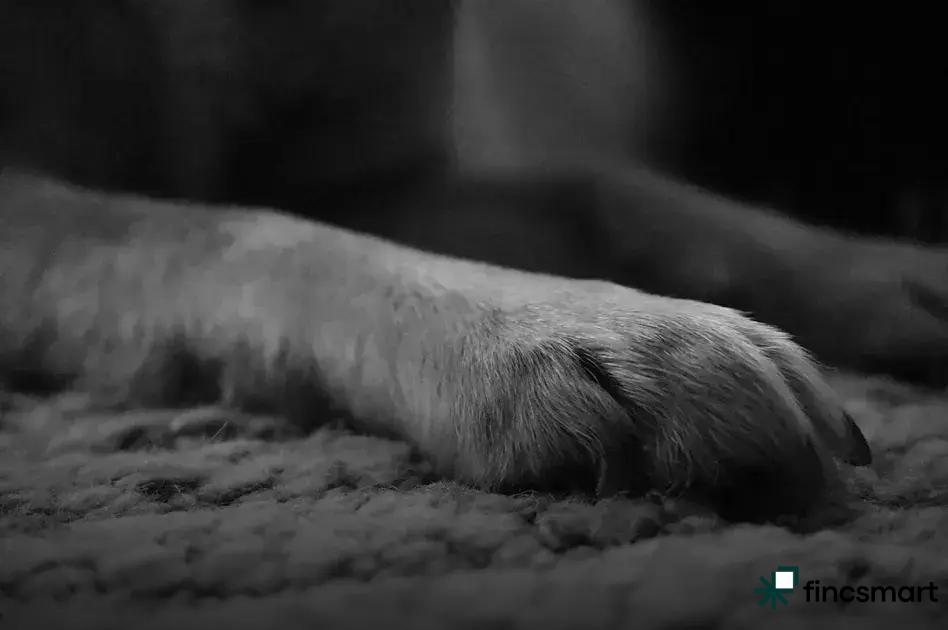
As a pet owner, it’s essential to recognize when your furry friend might be in need of a bath to maintain their health and hygiene. One of the primary signs your pet needs a bath is the presence of a noticeable odor. If you detect a smell coming from your pet that doesn’t disappear after a washcloth wipe-down or a brush, it’s a telling sign that a bath is necessary.
Another sign is the appearance of their fur or coat. If your pet’s coat looks greasy, matted, or dirty despite regular grooming, this could indicate it’s time for a bath. Look for any visible dirt or mud that doesn’t come off with brushing, as baths can help remove this residue entirely.
Additionally, if your pet is excessively scratching or biting at their skin, it might be due to accumulated dirt, oil, or other irritants trapped in the fur. Regular bathing can assist in relieving this discomfort by cleansing the skin and coat.
Check for any flakes or dandruff-like substances on their skin, as these could suggest a need for thorough cleaning to maintain healthy skin and prevent further irritation.
It’s crucial also to notice if your pet’s usual grooming habits seem insufficient. If regular brushing doesn’t seem to keep their coat in good condition, a proper bath could be what they require.
Tips for a Stress-Free Bath Time
Ensuring a stress-free bath time for your pet can improve their overall bath experience. First, create a calm environment by minimizing noise and distractions. Playing soft music can help soothe your pet’s nerves. Use lukewarm water, as very hot or cold water can cause discomfort.
Before starting, gather all necessary supplies such as shampoo designed for pets, towels, and a brush. Having everything within reach will help you stay focused and calm. Rewarding your pet with treats throughout the process can provide positive reinforcement, making them more cooperative.
The way you handle your pet is crucial. Use gentle, slow motions when washing them to avoid any panic. Massaging the shampoo into their coat can be not only effective but also enjoyable for them. Rinse thoroughly to avoid any soap residue, which can irritate their skin.
Consider investing in a non-slip mat for the tub to prevent your pet from slipping. This small addition can significantly reduce anxiety for both you and your pet.
Comfort and Safety
are paramount, so ensure they feel secure during the entire process. Dry them off completely with a towel or a pet dryer.

 Future Trends in the Pet Industry: What’s on the Horizon?
  Luxury Pet Products: Are They Really Worth the Price?
  Pet Subscription Boxes Explained: Discover the Best Deals