

Choosing the right scratching post for your cat can be a daunting task. With so many options available, it’s essential to understand your feline friend’s specific needs. A good scratching post helps protect your furniture, satisfies your cat’s innate need to scratch, and provides them with a healthy outlet for their energy. In this guide, we’ll explore factors such as materials, size, stability, and placement to ensure you make the best choice for your furry companion.
Understand Your Cat’s Scratching Needs
Cats scratch for various reasons: to mark territory, to shed dead claw layers, and to stretch their bodies. Understanding these needs is crucial in choosing the right scratching post for your feline friend. Observe your cat. Does it stretch upwards or prefer scratching horizontally? Some cats enjoy a tall post, while others are satisfied with flat surfaces or inclined scratchers.
- Marking Territory: Cats have scent glands in their paws. Scratching helps them leave their scent, marking their domain.
- Claw Care: Scratching removes the outer nail sheaths, keeping claws clean and healthy.
- Physical Exercise: A good stretch through a satisfying scratch helps in muscle toning and stress relief.
Choosing a scratching post that aligns with these instincts can provide immense satisfaction to your cat. Observe your cat’s scratching habits. Where do they frequently scratch? What material do they prefer? Once you have answered these questions, your task becomes much easier.
Materials Matter: What to Look For

When selecting a scratching post for your feline friend, the materials used are crucial in determining both the item’s durability and your cat’s likelihood of accepting it. Cats have a natural instinct to scratch, and choosing the right material can make the post more appealing to them, ensuring they use it rather than your furniture.
Sisal is one of the most popular materials for scratching posts, and for good reason. The rough texture of sisal fiber provides the satisfying resistance cats love when they scratch. It’s durable, can withstand frequent use, and doesn’t catch cats’ claws easily, reducing the risk of injury.
Carpet might seem like a good idea since it’s softer, but it can be less effective. Some carpets can snag a cat’s claws, leading to frustration. If you choose a carpeted post, look for one with a tight weave.
Wood is another excellent choice. Posts made from untreated wood offer a natural feel and sturdy surface that mimics tree bark, often a favored scratching surface in the wild.
Ensure the Wood is Free of Splinters
to keep your cat safe.
For owners with environmentally-conscious priorities, recyclable or sustainable materials are available. These posts not only reduce your carbon footprint but also provide eco-friendly options your cat will love.
Keep in mind that offering a variety of materials can cater to different preferences. Observing your cat’s behavior and scratching habits will guide your choice, ensuring you find the perfect mix of surfaces that satisfy your pet’s needs.
Size and Stability: Key Factors
Size and stability are essential when selecting the perfect scratching post for your cat. A post that’s too short might not satisfy your cat’s urge to stretch fully while scratching. Ensure the post is taller than your cat when fully extended, so their scratching motion is unrestricted.
Equally important is the post’s stability. Cats love to scratch on surfaces that don’t wobble or tip over. A shaky post can be off-putting and potentially dangerous if it falls. Check if the base of the post is wide and heavy enough to remain stable, even when your cat climbs or scratches vigorously.
A variety of shapes and sizes is available. Consider a post that complements your cat’s size and strength. For kittens and smaller breeds, a lightweight post might suffice. However, larger breeds may need something more robust.
For multi-cat households, a larger post or multiple posts can keep the peace, as cats often like to claim their own furniture. Watch for signs like scratches appearing higher up on the post, indicating a need for a taller option.
Location: Where to Place the Scratching Post
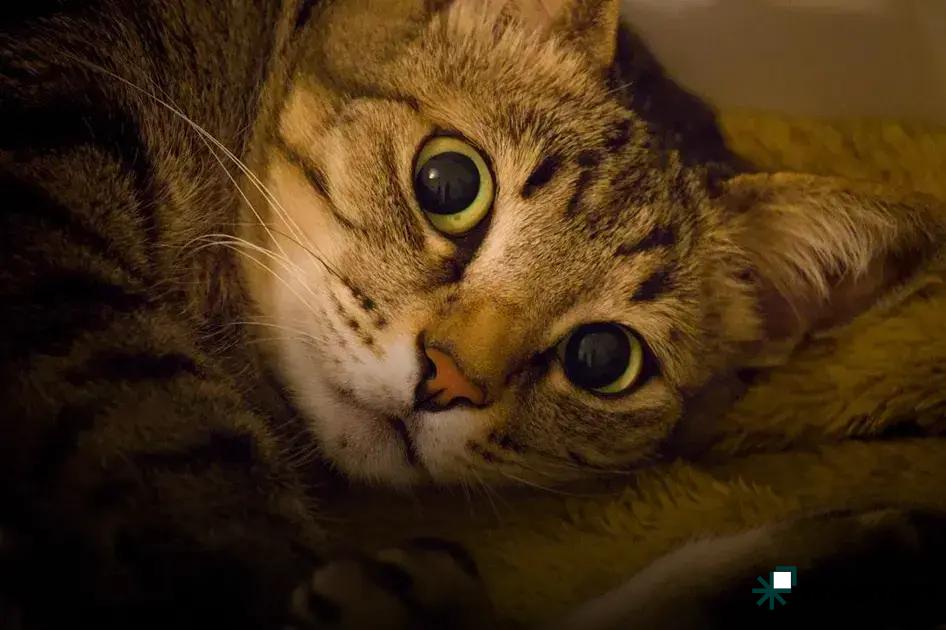
Choosing the right location for your cat’s scratching post is crucial to ensuring it gets used. Cats are territorial animals, and they like to have their scratching post in areas where they spend a lot of time. Observe your cat’s favorite spots and place the scratching post nearby. If your cat frequently scratches certain furniture, consider placing the post adjacent to these items to redirect unwanted behavior.
Placing the scratching post in socially significant areas, such as the living room or near windows, can encourage more frequent use. Cats enjoy being part of the household buzz, and positioning the post where the family often gathers can make it more appealing. Also, consider placing the scratching post near their sleeping area or beds, as cats often like to stretch and scratch upon waking up.
Accessibility is key. Ensure the post is easy for your cat to access at all times, and avoid placing it in a crowded or cluttered area that might hinder your cat’s desire to use it. Remember, finding the perfect spot might require some experimentation, but once you find a location your cat favors, you’ll be on the right path.
Maintenance and Durability
Cats are naturally inclined to scratch, and having a durable scratching post is essential to cater to this inherent behavior. Maintaining the scratching post ensures that your cat continues to enjoy and use it frequently. A high-quality scratching post can last a long time if properly cared for.
First, inspect the scratching surface regularly. If it’s made from sisal, check for any frayed or broken fibers, as these can become hazardous to your cat. Trim or remove any loose threads you might find. If you notice the surface wearing down, consider replacing it or reinforcing it with a new layer of material.
Scratching posts with carpet surfaces might show signs of shredding over time. This is normal, but to keep it safe, periodically vacuum or remove loose carpet fibers. Remember to rotate the scratching post when one side gets too worn, prolonging its use.
Durability also hinges on the stability of the scratching post. Tighten any loose screws or fittings. If the base is wobbly, your cat might avoid it, so ensuring it remains stable encourages continued use and extends its lifespan. Placing the post on a level floor further enhances its stability.
Keep the scratching post attractive by cleaning it. Over time, it may accumulate dirt or odors, so a light clean with mild soap and water will help maintain its appeal. Just be sure to let it dry completely before letting your cat use it again.
Investing in a high-quality, sturdy scratching post can ensure longevity, but it’s equally important to maintain it. Regular checks and minor fixes will make sure it stays usable for years, supporting your cat’s health and happiness while protecting your furniture.

 Future Trends in the Pet Industry: What’s on the Horizon?
  Luxury Pet Products: Are They Really Worth the Price?
  Pet Subscription Boxes Explained: Discover the Best Deals