

Hamsters are tiny, adorable creatures that make wonderful pets for both children and adults. To ensure they live happy and healthy lives, it’s essential to understand their unique needs. From selecting the perfect habitat to providing the right nutrition, this guide covers everything you need to know. Let’s explore all the aspects of hamster care to become the best pet owner possible.
Understanding Your Hamster’s Needs
Hamsters are creatures with specific needs that must be met to ensure their well-being. Comfortable Habitat: It’s essential to provide a spacious cage that allows room for exercise and play. Ensure the cage is well-ventilated and easy to clean. Equip it with all necessary accessories, like a wheel for running, tunnels, and hideaways for privacy. Nutritious Diet: A balanced diet is crucial. Besides commercial hamster food, consider fresh fruits and vegetables, ensuring they are safe for hamster consumption. Avoid feeding them citrus fruits and anything sticky.
Understanding Their Behavior
Hamsters have particular behavioral traits such as nocturnal activity. Respect their sleep during the day and engage with them in the evening.
Create a Stimulating Environment
: Enrich their habitat with chew toys. This aids in maintaining their dental health and provides mental stimulation. Observe their behavior regularly for signs of stress or illness.
Social Needs: Some hamster species prefer solitude, while others might enjoy company. Research the specific needs of your hamster’s species to prevent unwanted aggression. By understanding these aspects, you can create a nurturing environment that caters to your hamster’s physical and psychological needs, contributing to their overall happiness and longevity.
Choosing the Right Habitat and Accessories

When selecting a habitat for your hamster, consider the size and type of cage. A spacious environment is crucial as hamsters love to move around. Look for a wire cage with a deep plastic base or a glass tank as these offer enough room and ventilation.
Bedding is another critical factor. Choose safe materials like aspen shavings or paper-based bedding. Avoid cedar or pine due to harmful oils that can affect your hamster’s respiratory health.
Include essential accessories such as a water bottle, an exercise wheel with a solid surface to prevent paw injury, and chew toys to help in dental health. Hamsters love to burrow, so provide plenty of bedding and some tubes or tunnels for them to explore.
Provide hiding spots and nesting materials to make your hamster feel secure. These can include small boxes or hideaway houses and shredded paper.
Regular cleaning of the cage is necessary to maintain a healthy environment. Remove soiled bedding and uneaten food daily, and clean the entire cage weekly using mild soap and water. Proper habitat selection and maintenance ensure your hamster is happy and healthy.
Nutrition and Feeding Tips for Hamsters
Ensuring a balanced diet is key to keeping your hamster healthy and happy. A complete diet should include commercial hamster pellets, which provide essential nutrients and vitamins. Supplement these with fresh fruits and vegetables like carrots, apples, and broccoli, but offer these in moderation to prevent diarrhea.
It’s crucial to know what foods to avoid. Never give your hamster onions, garlic, chocolate, or citrus fruits. Providing safe chew toys can help maintain dental health, as a hamster’s teeth grow continuously.
Always ensure water is fresh and clean, changing it daily. Maintain a regular feeding schedule, ideally in the evening, since hamsters are nocturnal. Monitoring your hamster’s weight and eating habits can alert you to potential health issues early.
Offer a variety of seeds and grains, but be cautious with sunflower seeds, as they are high in fat. Balance is key, so aim for variety while sticking primarily to nutritious, hamster-safe foods.
Common Health Issues and Prevention
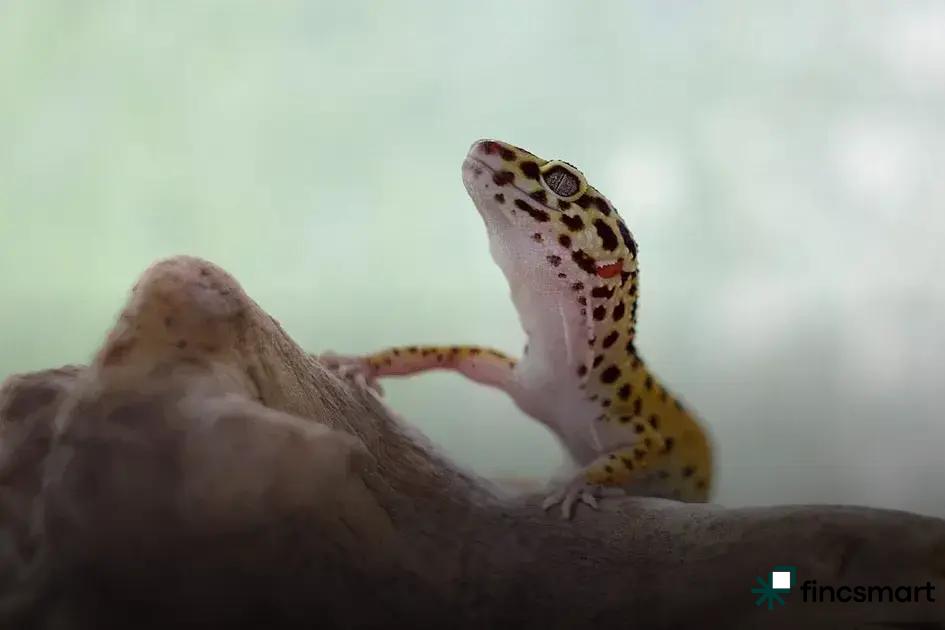
Hamsters, like all pets, can face certain health issues if their needs aren’t properly met. Frequent observations and knowledge are key to prevention and maintenance of their health.
Common Health Issues
Hamsters might suffer from respiratory infections, which can manifest as sneezing, runny noses, or difficulty breathing. Provide a clean environment and avoid exposing them to drafts or sudden temperature changes. Eye problems like conjunctivitis can occur, often presenting as red and swollen eyes. Regularly clean their bedding and keep their habitat dust-free.
Dental Health Hamsters’ teeth grow continuously, so offering chew toys or hard treats can help prevent overgrowth and dental issues. Malocclusion, where teeth do not align properly, can cause eating difficulties. Regular checks and the inclusion of appropriate chewing materials can be beneficial.
Gastrointestinal Issues Common problems include diarrhea and constipation, often resulting from a poor diet or stress. Ensure a balanced diet with the right fiber content, and provide fresh water daily. Watch for any sudden weight changes that could indicate dietary issues.
Preventive Care
Regular health checks are essential. Observe their eating, drinking, and daily activity patterns for early signs of distress. Maintaining a clean and stress-free environment can significantly contribute to their overall well-being. If you spot any unusual behavior or symptoms, consult a veterinarian experienced with small animals immediately.
Fun Activities and Bonding with Your Hamster
Engaging in fun activities with your hamster is essential for building a strong bond and keeping your pet happy and healthy. There are several creative ways to interact with your hamster, ensuring they have a stimulating environment.
Playtime Outside the Cage
Create a safe and enclosed space where your hamster can explore. Use playpens designed for small animals and ensure there are no escape routes. Scatter toys and tunnels to stimulate their natural curiosity. Always supervise your hamster during these adventures.
Toys and Tunnels
Toys are crucial for mental and physical stimulation. Choose a variety of chew toys, tunnels, and exercise wheels. Ensure all toys are made of safe materials, free from toxic chemicals, and designed for hamsters.
Training Tricks
Hamsters can learn simple tricks such as standing on command or walking through tunnels. Use treats to encourage them. Keep sessions short and positive to prevent stress.
Handling and Trust
Regular handling helps build trust. Begin by gently placing your hand inside the cage. Reward with treats and slowly lift your hamster once they are comfortable. Over time, they will associate your hand with positive experiences, reinforcing your bond.
Enrichment Activities
Create DIY enrichments using household items. Cardboard tubes and treat puzzles are excellent for engaging your hamster’s problem-solving abilities. Rotate toys frequently to keep their interest piqued.

 Future Trends in the Pet Industry: What’s on the Horizon?
  Luxury Pet Products: Are They Really Worth the Price?
  Pet Subscription Boxes Explained: Discover the Best Deals